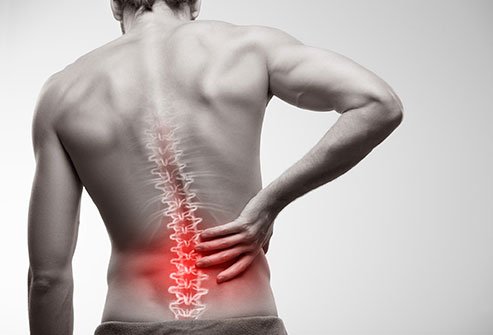
Ankylosing spondylitis
Ankylosing Spondylitis – An Overview
Ankylosing Spondylitis (AS) is a type of chronic inflammatory arthritis that, over time, can cause some of the vertebrae in the spine to fuse together. This reduces spinal flexibility and may lead to a forward-stooped posture.
If the ribs are involved, it can also make deep breathing difficult. Ankylosing Spondylitis occurs more often in men than women, with symptoms usually beginning in early adulthood.
Apart from the spine, inflammation may also affect other parts of the body, especially the eyes.
Symptoms of Ankylosing Spondylitis
Early signs may include:
-
Pain and stiffness in the lower back and hips (worse in the morning or after inactivity)
-
Neck pain
-
Persistent fatigue
Over time, symptoms may:
-
Worsen, improve, or stop at irregular intervals
Commonly affected areas:
-
The joint between the base of the spine and pelvis (sacroiliac joint)
-
Vertebrae in the lower back
-
Sites where tendons and ligaments attach to bones (entheses), mostly in the spine but also sometimes in the heel
Spaks Homeopathy Approach
At Spaks Homeopathy, the focus is on:
Reducing inflammation and stiffness naturally
Relieving chronic back and joint pain
Improving posture and flexibility
Preventing further progression of the disease
Enhancing overall energy and well-being—without side effects
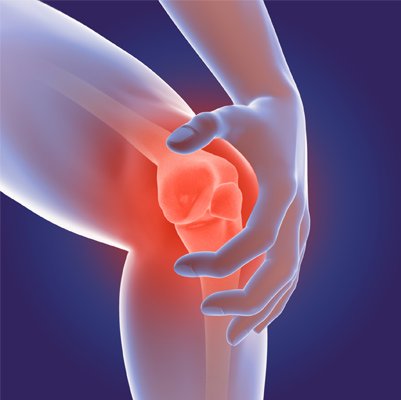
Arthritis
Overview
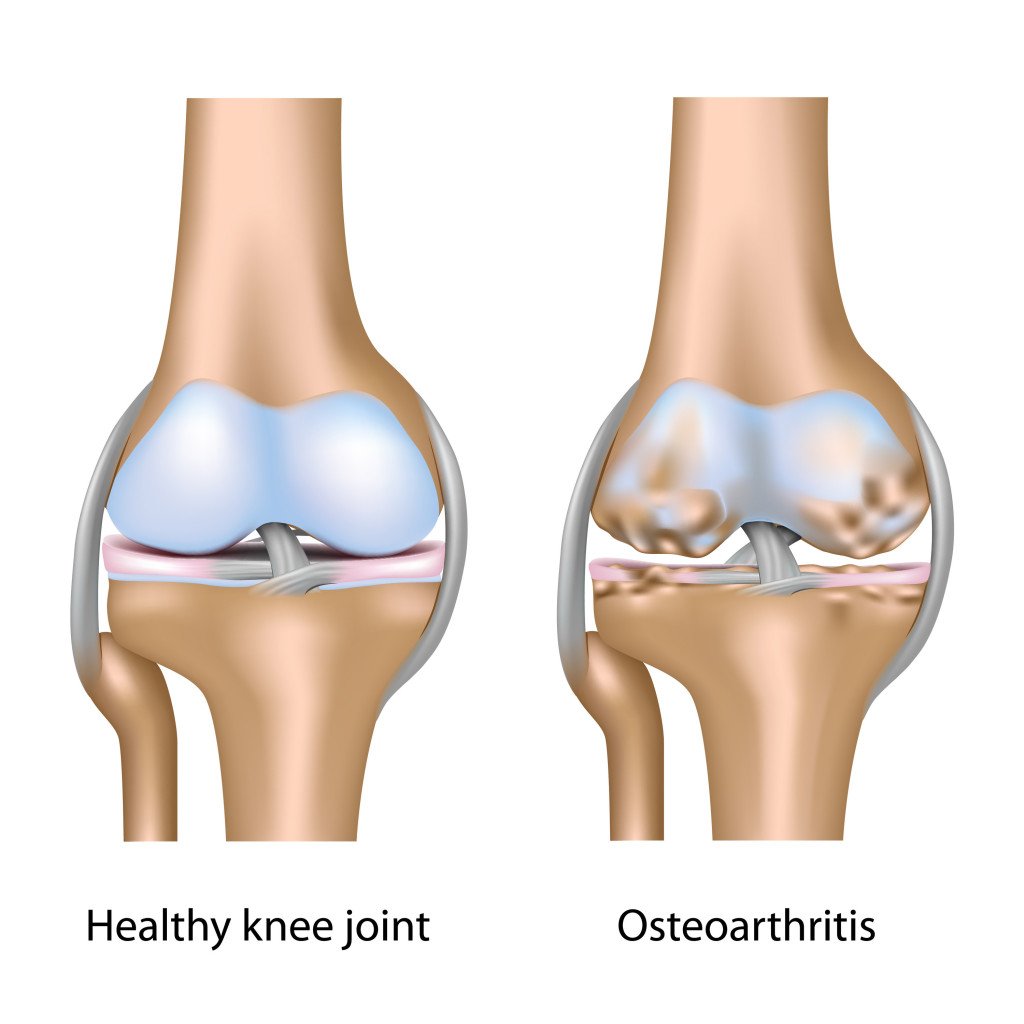
Arthritis is a common condition that affects the joints and bones, most often the knees, elbows, wrists, and ankles. Its symptoms may develop gradually over time or appear suddenly. Typical signs include joint pain, stiffness, swelling, reduced range of motion, and sometimes redness around the affected area.
The causes of arthritis vary depending on its type. The two most common forms are osteoarthritis and rheumatoid arthritis. Risk factors include advancing age, family history, previous joint injuries, obesity, and lifestyle habits such as smoking.
The main aim of treatment is to relieve pain, prevent further joint damage, and restore mobility. Management often involves medications, lifestyle modifications such as weight control and exercise, and in some cases, surgery.
Signs of Arthritis
-
Joint swelling or enlargement
-
Persistent joint pain
-
Morning stiffness
-
Restricted movement of the joint
-
Warmth around the joint
-
Redness of the skin near the affected joint
-
In some cases, additional symptoms may appear with rheumatoid arthritis
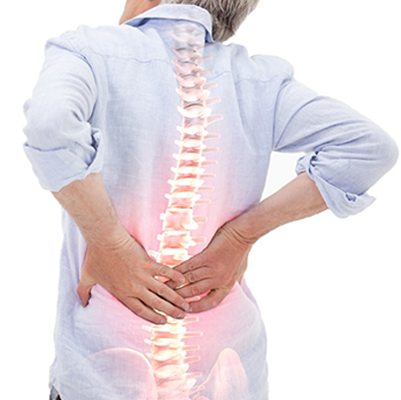
Back pain
Back Pain – Spaks Homeopathy Overview
Back pain is one of the most common health complaints, affecting almost everyone at some stage of life. The discomfort is usually felt anywhere from the shoulders down to the hips.
Back pain can be:
-
Acute – sudden in onset, lasting a few days to weeks.
-
Chronic – lasting more than 3 months, recurring frequently, and interfering with daily life.
Common causes include aging, muscle strain, poor posture, sedentary lifestyle, injuries, fractures, obesity, or underlying medical conditions.
Prevention & Lifestyle Tips
You can lower the risk of back pain by:
Staying physically active
Maintaining a healthy body weight
Practicing correct posture
Managing stress effectively
Sleeping well with proper support
Symptoms of Back Pain
-
Persistent muscle ache
-
Shooting or stabbing pain in the back
-
Pain spreading down the leg (sciatica)
-
Pain that worsens with bending, lifting, standing, or walking
-
Pain that improves with rest or reclining
Spaks Homeopathy Approach
At Spaks Homeopathy, treatment focuses on the root cause of back pain rather than just temporary relief. Remedies are safe, natural, and tailored individually to:
Relieve pain and stiffness
Improve posture and mobility
Strengthen back muscles
Prevent recurrence of chronic back pain
With holistic homeopathic care, we aim to restore balance and help you return to an active, pain-free life — naturally and without side effects.
Would you like me to also make this into a social media post format (short, catchy, with emojis and headings), or keep it as a detailed clinic handout style?
Bone and Health
Bone & Health – Spaks Homeopathy
Bones are the foundation of our body. They provide structure, protect vital organs, anchor muscles, and store essential minerals like calcium. Building strong bones during childhood and adolescence is crucial, but taking care of bone health in adulthood is equally important.
Why Bone Health Matters
Bones are constantly renewing — new bone is created, while old bone is broken down.
-
In youth, bone formation is faster, leading to increased bone mass.
-
Most people achieve peak bone mass by age 30.
-
After this, bone renewal slows, and gradual loss begins, which may lead to weak bones and fractures if not managed properly.
Risk Factors & Symptoms of Poor Bone Health
-
Calcium deficiency – Leads to low bone density, early bone loss, and higher fracture risk.
-
Lack of physical activity – Inactive individuals face a higher risk of osteoporosis.
-
Tobacco use – Weakens bones over time.
-
Excess alcohol consumption – More than 1 drink daily for women or 2 for men can raise bone disease risk.
-
Gender – Women are more prone due to lower bone tissue compared to men.
-
Body size – Very thin individuals (BMI ≤ 19) or those with small frames may have lower bone reserves.
-
Age factor – Bones naturally become weaker with increasing age.
Spaks Homeopathy Care:
At Spaks, we focus on strengthening bones naturally by improving calcium absorption, boosting vitality, and preventing complications like osteoporosis — without side effects.
Chest Pain
Overview
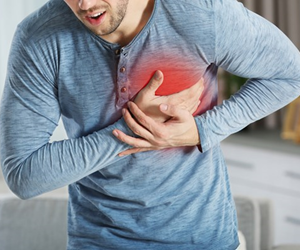
Chest pain should never be ignored, as it can arise from many causes such as muscle strain, gas and acidity, or even liver-related problems. The pain may appear in different forms, ranging from a sharp stabbing sensation to a dull ache.
Sometimes chest pain feels like pressure, crushing, or burning. In certain cases, the pain may spread to the neck, jaw, back, or down one or both arms.
While chest pain can have many causes, the most serious ones are related to the heart and lungs. Because it can indicate a potentially life-threatening condition, it is important to seek medical help immediately.
Chest pain is generally described as discomfort or pain anywhere between the neck and the upper abdomen. The pain may feel like tightness, squeezing, crushing, or tearing.
Symptoms
-
Chest pressure or tightness
-
Pain spreading to the jaw or arms
-
Fatigue
-
Dizziness
-
Shortness of breath
-
Abdominal pain
-
Gas and discomfort during exertion
Diffuse Idiopathic
What is diffuse idiopathic skeletal hyperostosis
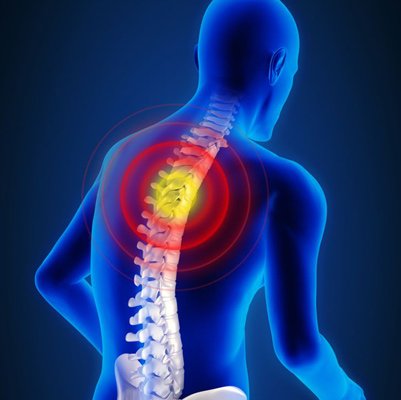
Diffuse upset skeletal hyperostosis (DISH) may be a kind of inflammatory disease that affects tendons and ligaments, primarily around your spine.
These bands of tissue will become hardened (calcified) and type growths known as bone spurs wherever they connect with your bones.
Diffuse upset skeletal hyperostosis (DISH) is taken into account a type of chronic arthritis or degenerative joint disease.
However, DISH is characterised by distinctive, flowing calcification on the perimeters of the contiguous vertebrae of the spine.
And, terribly in contrast to typical degenerative joint disease, it is also unremarkably related to inflammation (tendinitis) and calcification of tendons at their attachment’s points to bone.
This can result in the formation of bone spurs, like heel spurs. In fact, heel spurs common among people with DISH.
DISH has also been called Forestier's disease.
Diffuse Idiopathic Skeletal Hyperostosis Symptoms
-
Many people with DISH don’t have symptoms. When symptoms occur, they may include:
-
Stiffness that’s usually worse in the morning
-
Pain, especially in your neck or upper back (cervical or thoracic spine)
-
Limited range of motion in your back
-
Hoarseness or trouble swallowing when nerves in your neck are compressed
-
Tingling or numbness in your legs from compressed nerves in your lower back
-
Possible paralysis from a compressed spinal cord
Fibromyalgia Pain
Overview
Fibromyalgia is a chronic disorder characterized by widespread musculoskeletal pain, often accompanied by fatigue, disturbed sleep, memory issues, and mood problems.
Researchers believe fibromyalgia amplifies pain signals by affecting the way the brain and spinal cord process painful sensations.
Symptoms may appear after physical trauma, surgery, infection, or major psychological stress, though in some people, they develop gradually over time without a clear trigger. Women are more likely than men to be affected.
Many individuals with fibromyalgia also experience tension headaches, temporomandibular joint (TMJ) disorders, irritable bowel syndrome (IBS), anxiety, and depression.
Symptoms of Fibromyalgia
-
Widespread pain: A persistent dull ache lasting at least 3 months, affecting both sides of the body, above and below the waist.
-
Fatigue: Despite long sleep hours, people often wake up tired.
-
Sleep disturbances: Pain disrupts sleep, and conditions like restless legs syndrome may worsen it.
-
Cognitive difficulties: Problems with focus, memory, and concentration (often called “fibro fog”).
-
Associated issues: Headaches, IBS, jaw pain, anxiety, and mood disturbances.
Effects of Fibromyalgia
-
Chronic pain and stiffness impacting daily activities
-
Reduced quality of sleep and energy
-
Difficulty in maintaining work and personal life due to fatigue
-
Increased stress, anxiety, and depression
-
Heightened sensitivity to touch, sound, and environmental stressors
-
Emotional strain from long-term illness management
Treatment with Spaks Homeopathy
Spaks Homeopathy provides a gentle, holistic, and side-effect-free approach to managing fibromyalgia. Instead of masking symptoms, homeopathy focuses on the root cause, improving both physical and emotional well-being.
Benefits of Spaks Homeopathic Treatment:
-
Relieves chronic pain and muscle stiffness
-
Improves sleep quality and energy levels
-
Eases headaches, IBS, and TMJ-related discomfort
-
Reduces anxiety, irritability, and depression
-
Enhances focus, memory, and overall quality of life
-
Provides long-term relief without dependency or side effects
At Spaks, treatment is personalized after a detailed consultation, ensuring remedies that match your unique symptoms and lifestyle.
Filariasis
Filariasis – Overview (Spaks Homeopathy)
Filariasis is a tropical infectious disease caused by thread-like parasitic worms. The two main species responsible are Wuchereria bancrofti and Brugia malayi. The infection spreads through the bite of infected mosquitoes, which carry the larval form of the parasite into the human bloodstream. Over time, these worms damage the lymphatic system, leading to swelling and chronic complications.
Causes of Filariasis
-
Bite of infected mosquitoes (main source of transmission)
-
Poor sanitation and unhygienic surroundings in tropical areas
-
Repeated exposure to mosquito bites in endemic regions
-
Weak immune defense against parasitic infection
Symptoms of Filariasis
-
Recurrent fever with chills
-
Headache and general body ache
-
Skin rashes or lesions
-
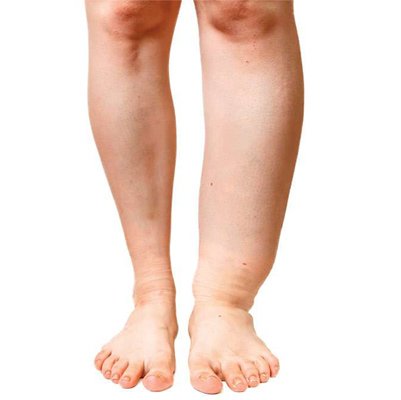
Swelling of limbs, scrotum, or breasts due to lymphatic blockage
-
Thickened and rough skin (Elephantiasis)
-
Cough, wheezing, and breathing trouble in Tropical Eosinophilia
Effects / Complications
-
Permanent lymphatic system damage
-
Elephantiasis – massive swelling and deformity of body parts
-
Restricted mobility and difficulty in daily activities
-
Secondary infections in affected skin and tissues
-
Emotional stress and social stigma due to disfigurement
Homeopathic Treatment for Filariasis (Spaks Homeopathy)
Homeopathy aims to reduce swelling, control infection, and strengthen the immune system. Commonly used remedies include:
-
Arsenicum Album – for weakness, fever, and burning pains
-
Calcarea Carbonica – for lymphatic gland swellings
-
Apis Mellifica – for stinging, burning swelling with inflammation
-
Mercurius Solubilis – for ulcers and skin lesions
-
Sulphur – for chronic skin eruptions and itching
Frozen shoulder Pain
Frozen Shoulder – Overview (Spaks Homeopathy)
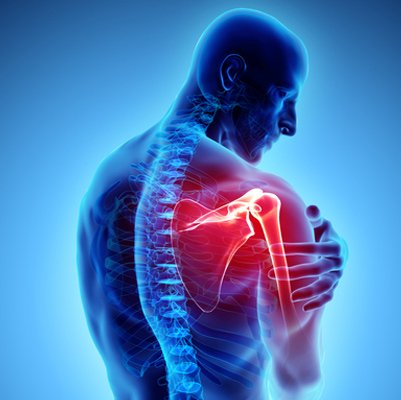
Frozen shoulder, also known as Adhesive Capsulitis, is a condition marked by pain and stiffness in the shoulder joint. The problem usually starts gradually, worsens over time, and then slowly improves. In most cases, the entire cycle may last from 1 to 3 years if left untreated.
The shoulder joint is formed by three bones – the upper arm bone (humerus), the shoulder blade (scapula), and the collarbone (clavicle). A capsule of connective tissue surrounds this joint. In frozen shoulder, this capsule becomes thickened and tight, restricting movement.
Causes of Frozen Shoulder
-
Prolonged immobility of the shoulder (after injury, surgery, or illness)
-
Diabetes (common associated condition)
-
Hormonal imbalances or thyroid disorders
-
Shoulder inflammation or chronic arthritis
-
Aging (more common in people between 40–60 years)
-
Unknown causes in some cases (idiopathic)
Symptoms of Frozen Shoulder
Frozen shoulder usually develops gradually in three stages:
-
Freezing Stage
-
Gradual onset of shoulder pain
-
Movement becomes increasingly painful
-
Range of motion starts to decline
-
-
Frozen Stage
-
Pain may decrease, but stiffness worsens
-
Shoulder movements become very limited
-
Difficulty in daily activities (dressing, lifting, combing hair)
-
-
Thawing Stage
-
Stiffness slowly improves
-
Gradual recovery of shoulder movement
-
Pain diminishes over time
-
Effects / Complications
-
Long-term restriction in shoulder mobility
-
Difficulty in performing daily activities
-
Sleep disturbances due to pain
-
Muscle weakness from reduced movement
-
Risk of recurrence in the other shoulder
Homeopathic Treatment for Frozen Shoulder (Spaks Homeopathy)
Homeopathy helps by relieving pain, reducing stiffness, and restoring shoulder movement naturally. Commonly used remedies include:
-
Ferrum Metallicum – for stiffness and weakness in shoulder muscles
-
Rhus Toxicodendron – for pain and stiffness that improve with movement
-
Bryonia Alba – for intense pain, worse on slightest movement
-
Sanguinaria Canadensis – for right-sided frozen shoulder with shooting pain
-
Ledum Palustre – for pain and stiffness extending down the arm
Note: Medicines should be taken under the guidance of a qualified homeopathic physician for best results.
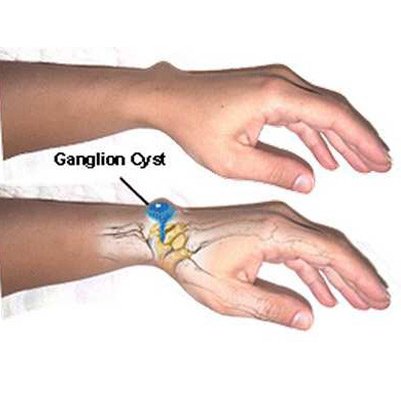
Ganglion cyst
Ganglion Cysts – Overview (Spaks Homeopathy)
Ganglion cysts are noncancerous lumps that most commonly develop along the tendons or joints of the wrists and hands. They can also appear on the ankles and feet, or less frequently near other joints.
These cysts are usually round or oval and filled with a jelly-like fluid. Their size may vary – from as small as a pea to about 2.5 cm (1 inch) in diameter. Ganglion cysts may remain painless, but if they press on nearby nerves, they can cause pain, tingling, or weakness. In some cases, the cyst may interfere with normal joint movement.
Causes of Ganglion Cysts
-
Exact cause is unknown
-
Repeated stress or overuse of joints
-
Injury or irritation of joint tissues
-
Degeneration of joint capsule or tendon sheath
-
More common in women and in younger adults (20–40 years)
Symptoms of Ganglion Cysts
-
Location: Commonly on wrists, hands, ankles, and feet
-
Shape & Size: Round or oval; can be very small or up to 2.5 cm in diameter
-
Fluctuating Size: May enlarge with repetitive joint use and shrink during rest
-
Pain: Usually painless, but can cause discomfort if pressing on a nerve
-
Neurological Signs: Tingling, numbness, or muscle weakness when nerves are compressed
-
Mobility Issues: Restriction of movement if located near active joints
Effects / Complications
-
Cosmetic concern due to visible swelling
-
Pain or discomfort during movement
-
Nerve compression leading to tingling or weakness
-
Reduced joint flexibility
-
Recurrent cysts after treatment in some cases
Homeopathic Treatment for Ganglion Cysts (Spaks Homeopathy)
Homeopathy aims to reduce cyst size, relieve pressure on nerves, and prevent recurrence by correcting the underlying imbalance. Commonly used remedies include:
-
Ruta Graveolens – for ganglion cysts on wrists or tendons due to overuse or injury
-
Calcarea Fluorica – for hard, nodular swellings on joints and tendons
-
Silicea – for cysts that recur or tend to suppurate slowly
-
Benzoic Acid – for cysts associated with joint stiffness and gouty tendencies
-
Lycopodium – for small cystic swellings with digestive weakness
Note: Remedy selection depends on individual symptoms. Always consult a qualified homeopathic physician before treatment.